MorningStar Assisted Living Blog

  • Blog

Cooling Gadgets Every Senior Should Try This Summer

August 08, 2025 by MorningStar Senior Living in Retirement Home

Box fans and ice packs have a limited cooling range. But new technologies are providing a variety of helpful gadgets that are low cost, energy saving, and come with easy to read and use controls for seniors in retirement communities.

Add a few of these devices to your collection in retirement home Portland, and you can transform stifling afternoons into comfortable, productive time.

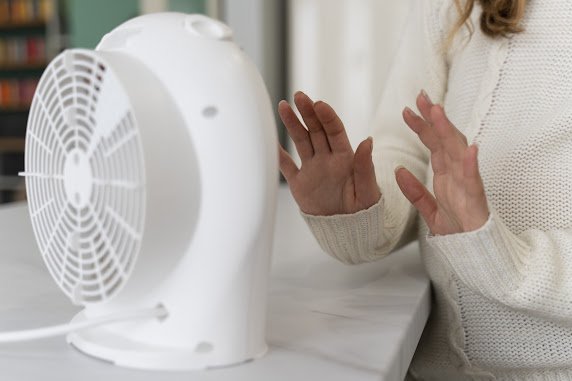
Evaporative air coolers add mist to a fan’s airflow, dropping ambient temperature by up to 10 degrees in arid regions. Wheeled models are easily moved from room to room, or to the patio, so you can enjoy the breeze while dining outdoors.Choose one with a digital display and large buttons that are easy to read.

Neck cooling scarves contain polymer crystals that draw in water and then release it gradually as they evaporate. Fill the scarf under running water for 5 minutes, blot off extra moisture, then wear it as a necktie. Cooling blood from the carotid arteries carries lower temperatures to the brain, which in turn cools the rest of the body. Scarves can be recharged by re-wetting, which makes them handy for gardening work.

USB powered fans are designed to draw only minimal electrical current and can be plugged into portable battery chargers, so you can stay cool even during blackouts. Select models with adjustable goosenecks to direct air flow to where you need it most, like across the cheeks while reading.

Battery powered personal misting fans project a fine spray of water in addition to moving air. They weigh less than 8 ounces and can be slipped in a purse or tote for a midday stroll. Add ice to the reservoir before you leave home for an extra chill.

Cooling mattress pads contain phase change material that absorbs body heat, then releases it slowly to your skin as it cools, maintaining a stable, cool surface. It’s a great way to lower sleep surface temperature, especially for seniors who experience medication induced night sweats.

Gel seat cushions come with covers that unzip for machine washing, so you can use them without guilt at the kitchen table or in the car. They are also great for long airplane rides. The gel evenly distributes weight to prevent soreness, and also acts as a thermal conductor, wicking heat from your body.

Smart thermostats have set-it-and-forget-it programs that adjust central air conditioning based on the outdoor temperature and patterns of where you are most likely to be in the house, keeping you comfortable and saving money on energy costs. They can be controlled with voice assistants to change the temperature without getting up from the recliner.

Mix and match these tips and gadgets to create a layered defense against hot summer days that help you enjoy outdoor activities with confidence in assisted living Portland.

August 08, 2025 /MorningStar Senior Living
assisted living, Retirement Home, Retirement Communities
Retirement Home

Symptoms of Heart Disease in the Elderly

August 06, 2025 by MorningStar Senior Living in retirement communities

Chest pain is the most common symptom people think of when they think of heart disease. And while it is the most common symptom, it is not the only one. In fact, older adults are often more likely to experience some of these other less obvious warning signs.

Difficulty breathing

Heart issues can cause a decrease in the blood’s ability to pump oxygenated blood. If you get winded easily doing simple activities, such as making the bed or walking up one flight of stairs, it’s a good idea to get checked out in retirement communities Portland.

Fatigue

Feeling tired or fatigued during normal activities could also be a sign your heart isn’t pumping as efficiently as it should be. If you can’t seem to shake your fatigue, even with plenty of sleep and rest, see your doctor.

Swelling in extremities

Another common heart-related problem in the elderly is swelling in the feet, ankles, or stomach, which is known as edema. If your foot or ankle remain indented for a few seconds after you push on them, it’s best to see your doctor.

Heart palpitations

Having an irregular heartbeat or palpitations can be a precursor to arrhythmia. Palpitations can feel like a fluttering or skipped heartbeat. If you start having regular heart palpitations, write down what you were doing when they happened and how much caffeine you had. This will help your doctor determine what is causing it. It can be brought on by stress or overstimulation, so keeping track of these things can be really helpful.

Discomfort in the jaw, neck, or shoulders

The pain you experience when you have heart problems is called angina, and it can show up in places other than your chest. The pain can come and go, and it often occurs with activity and gets better with rest.

Dizziness or fainting

Heart problems can sometimes cause you to become dizzy or faint, which means not enough blood is getting to your brain. Fainting even once can be a sign of a heart problem, so it’s best to get checked out.

Persistent heartburn

Sometimes a heart attack is confused with heartburn. Heartburn is the result of acid reflux. But if you find you’re having heartburn even with antacid or don’t notice it going away, it may be a symptom of coronary artery disease. If the pain in your chest is related to meals, it is more likely to cause heartburn. If you are short of breath or in pain when walking in a retirement home and it eases up with rest, it’s a more likely cause of heart disease.

Symptoms of heart disease in the elderly should be taken seriously. As always, with any of the symptoms mentioned in this article, it’s best to be on the safe side and get them checked out, as they could be signs of something more serious.And with that in mind, it’s a good idea to check your blood pressure and cholesterol levels regularly to help prevent a heart attack before it happens in assisted living Portland.

August 06, 2025 /MorningStar Senior Living
assisted living, Retirement Communities, Retirement Home
retirement communities

Fall Cleaning Checklist for Seniors: A Simple Refresh

August 04, 2025 by MorningStar Senior Living in Senior Living

When the seasons change, it feels good to refresh the home. Fall is the perfect time to get organized, tidy up, and prepare for the cooler months ahead. For seniors in assisted living Idaho Falls, a fall cleaning checklist helps keep tasks manageable and ensures nothing important is overlooked.

Cleaning doesn’t need to feel overwhelming. Breaking it down into simple steps makes the process easier and more enjoyable. Here’s a checklist that can help guide the way:

1. Focus on safety first

  • Check smoke detectors and carbon monoxide alarms.

  • Replace batteries if needed.

  • Make sure hallways and entryways are free from clutter to reduce fall risks.

2. Refresh the bedroom

  • Wash and store lightweight summer bedding.

  • Bring out warmer blankets and comforters.

  • Rotate the mattress and wash pillows to keep them fresh.

3. Prepare the kitchen

  • Clean out the pantry and discard expired items.

  • Wipe down shelves and organize canned goods for easy access.

  • Test small appliances to be sure they are working properly before holiday cooking begins.

4. Tidy the living areas

  • Vacuum behind furniture and clean under rugs.

  • Dust light fixtures, ceiling fans, and baseboards.

  • Rearrange furniture if needed to create clear walking paths.

5. Ready the bathroom

  • Wash bath mats and shower curtains.

  • Restock toiletries, including any medical supplies.

  • Double-check safety features like grab bars or non-slip mats.

6. Take care of seasonal items

  • Clean windows and check for drafts.

  • Bring out warmer clothing and store lightweight summer outfits.

  • Have heating systems inspected before colder weather arrives.

Beyond cleaning, fall is also a time to make the home cozy and inviting. Adding seasonal touches like a soft throw blanket, a scented candle, or even a small decorative pumpkin can lift spirits and make the space feel more welcoming.

For seniors, it’s also wise to pace the work. Spread out tasks over several days rather than trying to complete everything at once. Family members, friends, or community staff in senior living can also lend a hand with heavier chores, ensuring safety while making the work more enjoyable.

A clean and organized home reduces stress and provides a sense of calm. Preparing for the months ahead with a simple fall refresh means less to worry about later and more time to enjoy the season. This approach allows older adults to feel confident and comfortable in their surroundings while enjoying life in senior living.

August 04, 2025 /MorningStar Senior Living
assisted living, senior living, senior living Idaho Falls
Senior Living

How to Keep Your Blood Sugar Steady Throughout the Day

August 01, 2025 by MorningStar Senior Living in Assisted Living

Feeling energetic all day often comes down to one important factor: stable blood sugar. For older adults, keeping blood sugar levels balanced is not only about avoiding the highs and lows that cause fatigue, but also about supporting long-term health. Small, consistent habits make a big difference, and they are easier to adopt than many people realize.

One of the most effective strategies in senior living is to eat balanced meals at regular times. 

Skipping meals or going too long without eating can cause blood sugar to drop suddenly, leading to weakness or irritability. On the other hand, meals heavy in refined carbohydrates can spike blood sugar quickly and then cause a crash. The key is balance. A good plate should include lean protein, fiber-rich vegetables, and whole grains. This combination slows digestion and keeps energy steady.

Snacking wisely is another simple tool. Instead of reaching for candy or chips, choose snacks that combine protein and fiber. A handful of nuts with fruit, yogurt with berries, or carrot sticks with hummus can all help prevent sudden changes in blood sugar while still satisfying hunger between meals.

Staying hydrated is often overlooked but vital. Water helps the body use glucose effectively and supports overall metabolism. Dehydration can make blood sugar harder to control, so sipping water throughout the day is a good habit for steady energy.

Physical activity also plays a major role. Gentle movement, in assisted living such as walking after meals encourages the body to use glucose for energy rather than letting it remain in the bloodstream. 

Even light exercise, done consistently, can improve the body’s sensitivity to insulin, which helps regulate blood sugar naturally.

Stress management is another factor. When the body is under stress, hormones can raise blood sugar levels. Practices such as deep breathing, meditation, or even quiet hobbies can calm the body and keep levels more balanced. Restful sleep is equally important, since poor sleep can interfere with the way the body processes glucose.

Monitoring blood sugar is helpful for anyone with diabetes or prediabetes, but even those without a diagnosis can benefit from paying attention to how food and lifestyle choices affect energy levels. Tracking meals and symptoms in a journal can reveal patterns and make it easier to identify what works best.

Maintaining stable blood sugar doesn’t mean living with rigid rules. It’s about building daily habits that support health and make life more enjoyable. Balanced meals, smart snacks, hydration, movement, stress management, and sleep all work together to create steady energy. 


For older adults, these strategies are practical steps toward better wellness and greater comfort in assisted living Idaho Falls.

August 01, 2025 /MorningStar Senior Living
assisted living, assisted living Idaho Falls, senior living
Assisted Living

Would Mom or Dad Benefit from a Move to Assisted Living?

July 30, 2025 by MorningStar Senior Living in Assisted Living

Over the summer many adult children spend more time visiting with their parents in person rather than on the phone or over a video call. It is also the time when many families discover mom or dad living on their own isn’t working, and they are not actually doing as well as everyone thought. 

Experts say there are some signs to look for when visiting an elderly parent to determine if they need more help in their day-to-day life. One cause for concern can be if they have had an unintended change in their weight. Experts say weight loss is a common sign of a senior not doing well on their own. The same goes if they appear to have had a change in their balance and mobility such as difficulty getting up from a chair or walking up or down stairs, which could result in a higher risk of a fall. 

Another component of an older person’s well-being includes their emotional state. Do they have opportunities to get out and about and socialize or are they spending a lot of time alone and showing signs of forgetfulness or confusion? Is your formerly neat as a pin mother now living in a home that looks neglected and untidy or is she herself looking ungroomed?

Senior living specialists explain an elderly person’s physical and mental state can decline quickly and often catch families by surprise. If you find yourself in such a situation, it may be time to have a conversation with your parents regarding in-home help or a move to an assisted living community. Homes such as MorningStar at West San Jose offer seniors a wide array of amenities, care services, wellness programs and activities that help nurture residents’ independence for the best quality of life.  

We consider serving seniors to be our calling and gladly help guide families throughout the move-in process and transition to community living. Please visit our website for more information about luxury assisted living in San Jose.  We look forward to hearing from you. 

MorningStar takes tremendous pride in the reputation we have earned for excellence and authenticity since our inception in 2003.  We believe the human capacity to grow, to learn and to contribute is ageless; and we act upon that truth daily, as we care for, inspire, and love the residents under our roof. Contact us to learn more about the finest senior apartments in San Jose.

July 30, 2025 /MorningStar Senior Living
assisted living, assisted living San Jose, senior apartments
Assisted Living

Bone Loss in Older Adults Frequently Leads to Osteoporosis

July 28, 2025 by MorningStar Senior Living in senior apartments

The Mayo Clinic explains our bodies constantly absorb and replace bone tissue. When a person has osteoporosis, their body is removing old bone but not keeping up with making new bone. Early warning signs of osteoporosis include bone fractures, lost height, curved back, sudden back pain and gastrointestinal problems. However, many people have no symptoms, and it isn’t until a bone fracture or a bone density test (measuring the proportion of minerals in the bones), do they learn they have osteoporosis. A step above osteoporosis is osteopenia, which affects approximately half of Americans over age 50.  

It is important to work with your doctor if your bone loss has progressed to osteoporosis as there are medications that can help build stronger bones. In addition, you can help increase bone strength with a healthy diet of foods high in calcium, vitamins D and K, and protein. Foods containing calcium include dairy and soy, fish and green leafy vegetables like kale. Additionally, many foods are fortified with calcium so check labels. Protein is found in meat, fish, eggs, soy and dairy products, beans, lentils, and legumes as well as seeds and nuts. Experts recommend people over age 70 increase their uptake of vitamin D to 800 IU daily, which they can also obtain from supplements. 

Consuming a lot of salt should be avoided as the National Institute of Arthritis and Musculoskeletal and Skin Diseases reports overconsumption of salt can cause the kidneys to excrete calcium. Studies indicate consuming caffeine in coffee or caffeinated drinks can additionally interfere with the body’ absorption of calcium and it is recommended older adults limit their coffee intake to no more than three cups a day. Limiting alcohol also helps maintain bone health. Another component to maintaining or building stronger bones includes weight-bearing exercises. 

MorningStar at West San Jose offers assisted living residents a lifestyle of comfort, wellness and community with an abundance of amenities including beautifully prepared, nutritional meals served all day in our full-service dining room.  Residents also enjoy beautiful gathering spaces, theater, fitness center, salon, bistro, sky terrace, scheduled transportation and a variety of wellness programs and activities. In addition, our Reflections Neighborhood provides specialized senior housing for those with Alzheimer’s and other dementia-related diseases.   Please contact us or visit our website to learn what sets us apart from other senior living in San Jose and why MorningStar is a great place to call home.

MorningStar’s foundation is based on the mission to honor God, value seniors and invest in our staff to create a unique senior living experience.  Set in a warm, loving atmosphere with beautiful surroundings and resort-style amenities, we provide outstanding assisted living and senior apartments in San Jose. Please contact our team to inquire about availability, pricing or to set up a tour.


Source: medicalnewstoday.com/articles/osteoporosis-diet#diet-and-bone-health

July 28, 2025 /MorningStar Senior Living
assisted living, senior apartments, senior apartments San Jose
senior apartments

The Transition to a Memory Care Community

July 25, 2025 by MorningStar Senior Living in senior housing

If you have a loved one with Alzheimer’s or another dementia-related disease, you most likely understand the challenge of introducing changes into their day-to-day routine. One big change, which can be stressful for all involved, is when a family decides it is time to move a parent or another loved one into a senior living community offering memory care.

A Place for Mom’s website warns families it can take a while for a loved one to adapt. They encourage the family to take an optimistic view about the move, and help the person focus on the positive aspects of the community, talking up the programs and activities, quality of care, and the social interactions. Moreover, rather than spending time second-guessing your decision, remember you carefully searched for the best place for your loved one and now you need to trust the experts in the community.  

A few tips to help your loved one’s transition is to fix up the suite much like their old home, adding family photos and other favorite mementos. In addition, while you need to give the person time to adapt, this doesn’t mean you cannot add your input regarding their care. During the intake process, the staff will look to the family to provide details regarding the person’s day-to-day routine, their background and likes and dislikes. Visit regularly in person or virtually but don’t get upset if they tell you they want you to go. Avoid arguing but reassure them they are safe, and offer to take them for a walk, listen to music or something else you know they will enjoy.     

At MorningStar senior housing San Jose, our Reflections Neighborhood is devoted to providing loving, compassionate memory care and we help families transition their loved one into our welcoming home. Every aspect of our care caters to those with Alzheimer’s and other forms of dementia including purposeful activities, trained caregivers, food service, security and more. Please contact us or visit our website for more information.

MorningStar is guided by a culture rooted in our mission of honoring God, valuing seniors, and investing in our team, which allows us to deliver services with warmth, sincerity and depth of purpose. We have built a reputation for creating homes filled with an atmosphere of love and community. Please contact us to learn more about the finest assisted living and memory care in San Jose.

Source: aplaceformom.com/alzheimers-care#how-do-i-ease-my-loved-ones-transition-to-a-memory-care-facility

July 25, 2025 /MorningStar Senior Living
assisted living, senior housing, senior housing San Jose
senior housing

Another Study Reports on the Benefits of Chocolate

July 25, 2025 by MorningStar Senior Living in Assisted Living

A recent study published in the European Journal of Preventive Cardiology, reports certain foods including many of the things we would not want to live without such as chocolate and coffee, may help lower blood pressure. A type of flavonoid called Flavan-3-ols, a plant-based compound in cocoa and coffee beans as well as apples, grapes and teas are found to be effective at improving endothelial function, which can significantly influence blood pressure.

The Medical News Today says endothelium is a thin layer of cells lining the blood vessels, and its elasticity or stiffness plays a role in effecting how well the arteries maintain normal blood pressure, and keep nutrients in and toxins out. Cardiologist Jayne Morgan, MD. of Hello Heart, says, it also reduces platelet adhesion and subsequent clot formation, and aids in response to injury. Endothelial function “is measured by flow-mediated dilation (FMD), and even a small increase in FMD (about 1%) can reduce cardiovascular disease risk by 8–13%.”

Dark chocolate is the best type of chocolate to get Flavan-3-ols and should contain 70 percent or more cocoa and minimal added sugar or natural sweeteners like coconut sugar. Green tea and black teas are better than flavored teas as processing can damage or remove the compound. Research has shown Sencha, a popular Japanese green tea, is rich in catechins, particularly epigallocatechin gallate (EGCG), which have vasodilatory effects. These catechins can help relax and widen blood vessels, potentially reducing blood pressure. 

Other foods that may help support cardiovascular health are curcumin found in turmeric; resveratrol, found in grapes; garlic extract; and quercetin, found in apples, red wine, berries and onions. Omega-3 fatty acids from fish, flaxseed, walnuts, and some other seeds are also being studied. Doctors advise that ‘natural’ does not equal ‘safe’. Some food containing blood pressure reducing properties can interfere with anticoagulants and statins. If you have high blood pressure or other cardiovascular diseases, check with your healthcare provider about the best diet for your condition. 

MorningStar of Parker is a highly desirable senior living community with maintenance-free living, beautiful, spacious suites; 5-star dining, an array of resort-style amenities and more. Our contemporary-style building offers 49 independent living suites and 54 assisted living suites in a choice of configurations including three styles of penthouses as large as 1,609 square-feet. For those suffering from Alzheimer’s and other forms of dementia, we provide 43 memory care suites that include inviting common areas and clear wayfinding to encourage independence. Contact us to learn more about the area’s finest independent and assisted living and trusted retirement communities. 

July 25, 2025 /MorningStar Senior Living
assisted living, senior living, Retirement Communities
Assisted Living

Adequate Sleep Is Vital for Health and Well-Being

July 23, 2025 by MorningStar Senior Living in senior housing

Research clearly shows that getting enough sleep each night is important to our good health and well-being.  In fact, doctors say it is as vital to one’s health as regular exercise and eating a balanced diet, and the benefits extend into almost every aspect of our lives.  

While scientists are unable to directly link lack of sleep to weight gain, evidence suggests that it may interfere with our body’s ability to regulate food intake correctly.  One study in the Proceedings of the National Academy of Sciences of the United States of America, a publisher of high-impact research reports, commentaries, perspectives, and reviews, found that sleep patterns do affect the hormones responsible for appetite. 

Getting enough sleep should also be an essential part of an athlete’s training regimen as adequate sleep helps to improve both physical and mental performance.  A good night’s rest has been proven to refuel athletes and give them more intensity and energy as well as faster speed.  Doctors recommend an average of 7 to 9 hours for most adults and up to 10 hours for athletes. 

The Centers for Disease Control and Prevention (CDC) adds that getting proper sleep each night allows the body’s blood pressure to regulate, and helps to reduce sleep apnea and promote better heart health.  A study even suggests that inadequate sleep can result in a reduced ability to empathize with others, while another found a link between lack of sleep and depression.  Others report inflammation and sleep may be linked including a study published in the World Journal of Gastroenterology that suggests “a link between sleep deprivation and inflammatory bowel diseases.” 

To get a good night’s sleep, experts recommend going to bed around the same time each night and avoid sleeping in later than you need to.  Try to get plenty of exercise during the day and reduce stress with exercise or other therapies.  

If you are looking for exceptional assisted living, we encourage you to learn more about senior housing MorningStar at West San Jose.  Our beautiful community offers a lifestyle of comfort, wellness and built-in companionship.  We provide senior care and hospitality services along with luxury amenities and a choice of well-designed floor plans.  Please contact us or visit our website for more information and to set up a personalized tour.  

MorningStar has considered it a privilege and responsibility to “cast a new light” on senior living, inspired and empowered by our unique mission: to honor, to value, to invest. Our passionate commitment to serving seniors has proudly earned us a reputation for satisfaction that is second to none. Contact us for more information about the finest independent living, assisted living and memory care in San Jose.

Source: medicalnewstoday.com/articles/325353

July 23, 2025 /MorningStar Senior Living
assisted living, senior living, senior housing
senior housing

Why Cognitive Reserve is Important and How to Build It

July 23, 2025 by MorningStar Senior Living in retirement communities

Cognitive reserve is defined as the brain’s ability to maintain its resiliency despite the damage or decline from normal aging, injury or disease. The Harvard Health Publishing explains it is a reflection on how agile the brain is with using skills and capacities to solve problems and cope with challenges. 

Building cognitive reserve is a life-long process and is developed through continuing to educate ourselves and having the curiosity to be open to new ideas. The concept of cognitive reserve was first brought to the attention of researchers in the late 1980s. They were beginning to study the brains of individuals through autopsies that showed advanced signs of damage to the brain consistent with Alzheimer’s disease but had not exhibited symptoms during their life. 

Experts say the contradiction is most likely caused by the person having a large enough cognitive reserve to offset the damage done by the disease, which allows them to function as usual. Further research has shown people with a large cognitive reserve can stave off other diseases such as Parkinson’s, multiple sclerosis, or a stroke as well as cope better with surgery, stress and toxins in the environment.

In order to build a strong cognitive reserve, Harvard Publishing explains it requires a concerted effort of following good lifetime habits such as prioritizing sleep, eating a plant-based diet, exercising regularly, managing stress and socializing. They also say it is important to continue to engage and challenge your brain.

The Mayo Clinic describes cognitive reserve as essentially your brain’s ability to adapt to age- or disease-related changes by drawing on existing neuronal networks or generating new neuronal connections where old ones may have failed. A study conducted by their researchers found “ordinary yet intellectually stimulating activities such as using a computer, playing games, reading books and engaging in crafts — including knitting, woodworking and other types of handiwork — were associated with a 30 to 50 percent decrease in the chances of developing mild cognitive impairment.” For example, they say you can more easily build cognitive reserves from activities such as reading a book than from watching TV.  

MorningStar of Parker’s senior living community offers the area’s finest maintenance-free living, with an array of resort-style amenities, 5-Star dining, and senior care and hospitality services. Our contemporary-style building offers 49 independent living suites and 54 assisted living suites in a choice of configurations including three styles of penthouses. For those living with Alzheimer’s and other dementia-related diseases, our distinct Reflections Neighborhood has 43 suites in a choice of studio or one-bedroom units. Contact us to learn more about trusted retirement communities, assisted living and memory care. 


Source: https://mcpress.mayoclinic.org/healthy-brain/brain-building-how-to-grow-your-cognitive-reserve/

July 23, 2025 /MorningStar Senior Living
assisted living, Retirement Communities, senior living, retirement communities
retirement communities

Signs of Vitamin Deficiency You Shouldn’t Ignore

July 21, 2025 by MorningStar Senior Living in assisted living facility

Have you ever felt just a little off and couldn’t quite explain why? Maybe you’ve been more tired than usual, your balance feels unsteady, or you notice your skin looking a bit dull. It’s easy to assume it’s just part of getting older, but sometimes, these quiet symptoms are actually your body’s way of saying something’s missing.

Vitamin deficiencies are more common in older adults than most people realize. As we age, our bodies don’t always absorb nutrients as efficiently, and even a balanced diet might not cover everything we need. Luckily, in senior apartments there are signs you can watch for before things get too far out of balance.

Vitamin B12

This one helps with nerve health and memory. Low B12 might cause numbness in the hands or feet, forgetfulness, or a general lack of energy. If you’ve been feeling foggy or worn out despite sleeping well, it’s worth looking into.

Vitamin D

Often called the sunshine vitamin, it helps with mood, immunity, and bone strength. If your joints ache more than usual, your mood feels heavier, or you’ve noticed more falls or near misses, it may be time to ask your doctor to check your levels.

Iron

If you’re feeling weak, chilled, or out of breath even after light activity, low iron could be part of the issue. It also shows up in paler skin or brittle nails. Too little iron affects how well oxygen moves through the body, which can leave you dragging even after rest.

Calcium

Everyone in assisted living facilities knows calcium is important for bones, but it also helps muscles and your heart work properly. Muscle cramps, dental changes, or soft nails might be signs you need more.

Folate (Vitamin B9)

Folate supports cell health and brain function. Low folate can sneak up on you with symptoms like low energy, poor concentration, or feeling easily irritated.

These signs are subtle and easy to overlook, which is why regular checkups and routine bloodwork are so important. Many deficiencies can be corrected with small dietary changes, or if needed, supplements that your doctor recommends based on your health.

At senior living Portland, we see how much better people feel when their nutritional needs are met. Sometimes, all it takes is the right combination of food, sunlight, and gentle reminders to get back to feeling more like yourself again. The body keeps score, and when you give it what it needs, it responds.

July 21, 2025 /MorningStar Senior Living
senior living, assisted living facilities, senior apartments
assisted living facility

MorningStar Senior Living and Our San Jose Community

July 21, 2025 by MorningStar Senior Living in Senior Living

MorningStar Assisted Living & Memory Care at West San Jose is proud to be a part of the MorningStar Senior Living Company, which celebrates 21 years serving seniors. We were conceived by Founder/CEO Ken Jaeger, who wanted to make a dramatic change in assisted living. His mission to: Honor God, Value Seniors and Invest Generously in Our Team are core values that are important to Christians as well as those of other faiths, and still prevail today. 

During our 21 years, we have been honored to serve over 17,000 residents across 11 states in 40+ communities. Throughout our brand has earned a reputation for bringing integrity and depth of purpose to senior care.

Ken explains: “As we reflect on our 21-year history and marvel at what God has done…as we look to the future and see the opportunities before us…a few things are clearer than ever. What seniors need is what we all need: significance, value, love. Our roots are as firm as ever. And the mission we’re on, we’re on it together: to serve seniors, each other and the world.”

As we have grown, our reach has gone beyond senior living into the world at large. This includes the establishment of the MorningStar Foundation, a 501c3 organization, offering support to philanthropic initiatives around the world as well as in our local neighborhoods. 

At MorningStar at West San Jose, our vibrant community provides a full range of senior care and hospitality services along with resort-style amenities. Amenities include a bistro, fitness center, salon, theater, life enrichment area and underground parking.  To enjoy the outdoors, we have a relaxing sky terrace and beautiful landscaped courtyard to gather with friends or family.

Residents enjoy five-star dining and a complement of wellness programs and activities that promote a healthy, engaged lifestyle. Contact us or visit our website to learn more about MorningStar’s senior living communities and our property in San Jose.

MorningStar takes tremendous pride in the reputation we have earned for excellence and authenticity since our inception in 2003.  We believe the human capacity to grow, to learn and to contribute is ageless; and we act upon that truth daily, as we care for, inspire, and love the residents under our roof. Contact us for more information about the finest senior living in San Jose, CA.

July 21, 2025 /MorningStar Senior Living
senior living, senior living san jose, senior living San Jose CA
Senior Living

Making Bedtime Stories More Magical for Your Grandchildren

July 18, 2025 by MorningStar Senior Living in senior apartments

A magical experience occurs when you sit with a child to start reading a book together. Bedtime stories craft a warm environment where laughter, curiosity, and love unite inside the pages of a single book. Grandparents in senior apartments Portland find bedtime stories a method to connect in today’s rapidly changing world, which seems far removed from their own past experiences. 

Start by setting the mood. Create a relaxing atmosphere by dimming the lights and making some pillows cozy before inviting your grandchild to snuggle with you. When a space feels calm and comfortable, it communicates to people that they can start relaxing. This method proves particularly useful at bedtime since calming down often presents a challenge. 

The reading method has greater importance than the content itself. Bring the story to life through your vocal expression. Use a slow voice when speaking for the turtle and a squeaky voice for the squirrel while reading with a scene-appropriate rhythm. Using a dramatic pause or whispering a sentence effortlessly draws your grandchild into the story. 

Interaction keeps them engaged. Engage your child by asking them, “What do you think will happen next?” and “Have you ever felt like that character?” Reading becomes an interactive experience for your grandchild through these short yet meaningful interactions. Pick stories that suit the mood. 

A humorous book can diffuse restless energy through laughter and giggles. Choose a calming story that features gentle images and a quiet voice when they are ready to sleep. Have a small selection of books ready nearby so your child feels engaged in the selection process. Personal touches go a long way. Change a character’s name to your grandchild’s or draw connections between the story and their recent activities. When you ask your grandchild about their adventure with the superhero cape similar to this bunny, their face lights up with recognition. 

Consistency builds tradition. Reading the same book during brief visits in assisted living can establish an anticipated ritual for your time together. You have a special story that you keep for the moments you spend together. Let it be relaxed. You do not have to be perfect. The experience becomes more enjoyable when you forget a word or laugh during the story. 

Children do not expect perfection from their storytellers. Your time, voice, and attention hold special value to them. In senior living Portland residents frequently express their favorite days involving visits from imaginative young children. 

Reading stories together is more than entertainment. This activity creates lasting memories across multiple generations through each page shared.

July 18, 2025 /MorningStar Senior Living
assisted living, senior living, senior apartments
senior apartments

Wandering Is a Risk Among Individuals With Dementia

July 18, 2025 by MorningStar Senior Living in Senior Living

The Alzheimer’s Association says that six in 10 people with dementia will wander.  The danger with this is someone with Alzheimer’s disease may not remember their name, their address or how to get home.  Furthermore, the more agitated the person becomes when they feel lost and disorientated, the less able they may be to tell someone something that could help get them safely back home.  

Experts say anyone suffering from Alzheimer’s disease or another form of dementia that is mobile is at risk for wandering.  Even if the person is in the early stages of the disease, they may still get disorientated; but thankfully there are strategies to help keep your loved one safe.  

It is important to have a plan in place in the event that it should happen to your parents or another loved one.  Find out if your area has a “Safe Return Program” and enroll them in it and have them wear a GPS locating device at all times.  Also, learn to recognize the warning signs of potential wandering such as: has the person forgotten how to get to familiar places, talks about going home even when they are home, gets confused as to where familiar places in the home are, and acts nervous or anxious in crowded areas.  

Tips to help prevent wandering include creating and sticking to a routine, identifying the times when wandering is most likely to occur, and trying to make sure all of the person’s needs are met so they don’t feel the need to go out.  In addition, reposition door locks out of the line of sight and make sure car keys are not left out.  You can buy a device that sounds an alarm when a door or window is opened; and never leave the person locked in at home or in a car alone.   

Along with assisted living, MorningStar at West San Jose offers memory care in a secure environment that allows residents to safely explore their surroundings, including an outdoor area. Our holistic approach is guided by our signature program, Lavender Sky, and we help residents and their families navigate this challenging journey with love and compassion. Please contact us or visit our website for more information.

MorningStar is guided by a culture rooted in our mission of honoring God, valuing seniors, and investing in our team, which allows us to deliver services with warmth, sincerity and depth of purpose. We have built a reputation for creating homes filled with an atmosphere of love and community. Please contact us to learn more about the finest assisted living and senior living in San Jose.

Sources:

alz.org/help-support/caregiving/stages-behaviors/wandering 

agingcare.com/articles/when-is-it-time-to-place-a-loved-one-with-dementia-188309.htm

July 18, 2025 /MorningStar Senior Living
assisted living, senior living, senior living san jose
Senior Living

Signs It Might Be Time for Cataract Surgery

July 16, 2025 by MorningStar Senior Living in Senior Living

Vision changes often sneak up quietly. One day, you’re reading the paper without trouble, and the next, things look a little blurrier, a little dimmer, and your glasses don’t seem to help as much. For many older adults, this slow shift is caused by cataracts.

Cataracts form when the lens of the eye becomes cloudy, making it harder to see clearly. It’s a normal part of aging, but the impact on daily life can build up quickly. While it’s a common condition in senior living, it’s not something you have to live with. Cataract surgery is a safe and effective option that can bring clarity and brightness back to your vision. So how do you know when it might be time?

6 Signs To Look For In Assisted Living Facilities Portland:

1. Blurry or cloudy vision

When the world starts to look foggy, and cleaning your glasses doesn’t help, cataracts might be the cause. It can feel like you’re always trying to wipe a smudge off your lenses.

2. Sensitivity to light

Bright sunlight or headlights during evening drives may become harder to handle. Glare that never used to bother you can suddenly feel intense and uncomfortable.

3. Difficulty seeing at night

Driving after dark might feel more stressful. You may notice halos around lights, poor contrast, or that road signs seem harder to read, even with your glasses.

4. Frequent changes in glasses

If you’ve updated your prescription more than once lately but your vision still feels off, cataracts could be interfering. Your lens keeps changing, so glasses no longer solve the problem.

5. Colors appear faded or yellow

When white objects look more beige and bright colors seem dull, it’s time to consider whether cataracts are affecting how you perceive color.

6. Struggling with everyday tasks

Reading the newspaper, sewing, cooking, or recognizing faces across the room might feel more difficult. These little changes can impact confidence and independence.

Cataract surgery is a simple procedure that replaces the clouded lens with a clear, artificial one. It usually takes less than 30 minutes and does not require an overnight stay. Most people notice clearer vision and more vibrant colors just a few days after the procedure. Recovery is straightforward, and many resume daily activities almost immediately.

In communities offering senior apartments Portland services, support for vision care is often built into daily life. From regular screenings to help with appointments and recovery, having access to consistent care can make the process easier and less stressful.

Your eyes are how you experience the world. Life can feel a little smaller when they stop working the way they used to. Recognizing the signs early and knowing that help is available can bring back a sense of freedom and confidence that makes every day more enjoyable.

July 16, 2025 /MorningStar Senior Living
assisted living facilities, senior apartments, senior living
Senior Living

Moving to an Assisted Living Community

July 16, 2025 by MorningStar Senior Living in Assisted Living

The decision to move into senior living is a big one for older adults. It may mean giving up a much beloved family home; or it could be health conditions are such that more daily care is required. Other times, it is the desire to simplify life to better focus on things that bring joy and fulfillment.  

If you are a senior who has started the search for assisted living due to a need for more daily personal care, please understand, assisted living services are designed around helping residents maintain their independence. Another important benefit is the peace of mind residents have knowing someone is always around to help. 

Most assisted living communities offer a healthy meal service as well as a variety of programs and activities to help keep residents engaged and entertained. Moreover, who doesn’t love the idea of maintenance-free living as well as laundry and housekeeping services? Another feature is enhanced safety with modifications geared toward accessibility and mobility like handicapped-accessible bathrooms, wide hallways, handrails and ramps. In addition, emergency call systems ensure a quick response to any problems. 

So, how do you find the community that is the best fit for you? Start by taking the time to do some research on communities in your area. Also, talk to healthcare providers, friends, family and other trusted advisors for any recommendations. Visit the websites of top contenders, and remember to consider proximity to family, friends and services you use on a regular basis. If you no longer drive, check to see if the community offers transportation services.

One of the best ways to get a feel for an assisted living community is to schedule a tour. Plan to spend a couple of hours there, and if possible, ask to join residents during a meal. Experts say use your senses including how welcoming the place feels from the moment you step through the door. Bring a list of questions and be sure to take notes to review later. Topics to discuss include price; availability; floor plans; amenities and services; levels of care; programs and activities; and staff training. 

If you live in the San Jose area, we encourage you to consider MorningStar at West San Jose.  Our dedicated team works hard to give our residents a lifestyle of comfort, wellness and community second to none.  Our beautiful home offers independent living, and memory care along with a wide range of luxury amenities, wellness programs and activities. Please contact us or visit our website for more information.


MorningStar has considered it a privilege and responsibility to “cast a new light” on senior living, inspired and empowered by our unique mission: to honor, to value, to invest. Our passionate commitment to serving seniors has proudly earned us a reputation for satisfaction that is second to none. Contact us to learn more about the finest assisted living San Jose and memory care in San Jose.

July 16, 2025 /MorningStar Senior Living
assisted living, assisted living San Jose, senior living
Assisted Living

How to Simplify Your Morning Routine for More Energy

July 14, 2025 by MorningStar Senior Living in retirement communities

Mornings set the tone for the entire day. When they feel calm and organized, everything runs more smoothly. But when the first hour is filled with stress, it can be hard to shake that feeling. The good news is it doesn’t take much to shift things. A few simple changes can make mornings in assisted living Portland feel easier and leave you with more energy to enjoy the day.

Plan a few things ahead of time

A peaceful morning in retirement communities usually starts the night before. Set out clothes, line up your medications, or prepare a small breakfast. These little steps clear space in your mind so you’re not scrambling the first thing.

Wake up with purpose

Instead of jumping out of bed, give yourself a few quiet moments. Sit up slowly, take some deep breaths, and stretch your arms or legs. Let your body ease into the day with intention.

Avoid the phone

It’s tempting to check the news or messages right away, but starting with a screen often leads to stress or distraction. Give yourself time to wake up on your terms before diving into outside noise.

Keep your routine short and repeatable

Too many tasks in the morning can be overwhelming. Focus on two or three things that matter most to you. That might be taking a walk, enjoying a quiet breakfast, or watering your plants. When mornings feel manageable, you’re more likely to stick with them.

Eat something simple

Even if you’re not a big breakfast person, a light snack helps boost your energy. A piece of fruit, a small bowl of oatmeal, or a slice of toast can keep you steady until lunch. It doesn’t need to be fancy to be effective.

Know where everything is

Keep your toothbrush, glasses, and other essentials in the same spot each day. A tidy, predictable space removes unnecessary decision-making and gets you out the door faster.

Move your body, even just a little

A short walk down the hallway or a few gentle stretches can help wake you up. It improves circulation and puts your brain in motion, too.

Create a calming environment

Soft music, quiet conversation, or a little sunlight coming through the window can shape how your morning feels. Choose surroundings that support your energy instead of draining it.

In places like retirement home Portland, mornings are often built around this idea of ease and balance. You don’t need a long list or a complicated plan. Just a few thoughtful habits can make mornings something to look forward to instead of something to push through.

July 14, 2025 /MorningStar Senior Living
assisted living, Retirement Communities, Retirement Home
retirement communities

Radishes and Blood Pressure: Could This Crunchy Veggie Help?

July 11, 2025 by MorningStar Senior Living in Assisted Living

Let’s talk about radishes. They’re crisp and peppery, and they usually appear as a tasty little side item on a salad plate, but there might be a lot more beneath the surface. If you’re someone keeping an eye on blood pressure in assisted living Portland, these colorful root veggies could be worth a closer look.

First off, radishes are naturally low in sodium and high in potassium. That’s a good starting point for heart health. Potassium helps balance out the effects of salt in the body and supports proper muscle and nerve function, including the heart muscle. A potassium-rich diet has been linked to better blood pressure control, and radishes fit right in.

They’re also a great source of nitrates, naturally occurring compounds that help widen blood vessels, improving blood flow and potentially lowering blood pressure. This isn’t just trendy health talk. Some studies suggest that vegetables high in nitrates, like radishes, beets, and spinach, may contribute to more stable blood pressure levels over time.

Another bonus? Radishes are packed with antioxidants. These compounds help reduce inflammation and protect blood vessels. That’s good news not only for blood pressure but for your whole cardiovascular system.

There’s also something to be said about how easy they are to add to meals. You can slice them into salads, roast them for a milder flavor, or even enjoy them with a bit of olive oil and sea salt as a crunchy snack. There is no need for fancy prep or complicated recipes in retirement communities, just simple, fresh food with many health benefits.

It’s important to note that no single food is a cure-all. If you’re dealing with high blood pressure, radishes won’t replace medication or a care plan. But they can be part of a larger, balanced diet that supports heart health. The key is small, consistent choices that add up over time.

As we age, choosing foods that do more than taste good becomes even more critical. Nutrition plays a huge role in how we feel day to day and in how we prevent bigger health issues down the line.

In a retirement home Portland, meals are often crafted with these goals in mind: tasty, nourishing, and supportive of overall well-being. If radishes make it to the plate, it’s not just for color. It’s because every bite matters when keeping the heart strong and steady.

July 11, 2025 /MorningStar Senior Living
assisted living, Retirement Home, Retirement Communities
Assisted Living

Essential Screenings Every Man Over 60 Should Get

July 09, 2025 by MorningStar Senior Living in Retirement Home

Turning 60 is a milestone. For many men living in retirement home Portland, it’s a time to slow down, focus on what matters, and take stock of their health. While no one gets excited about medical appointments, preventive screenings can catch issues early, often before any symptoms show up. And the peace of mind that comes with staying on top of things? Worth it.

7 screenings that should be on every man’s radar after 60:

1. Colonoscopy

Colon cancer risk goes up with age, and a colonoscopy is still the gold standard for early detection. If you’ve never had one, or it’s been ten years, talk to your doctor about getting scheduled. For some people, newer stool-based tests are also an option.

2. Prostate exam

Prostate cancer is one of the most common cancers in older men. A simple blood test (PSA) and a physical exam can catch early signs. Your provider will consider your overall health and family history to decide what’s best for you.

3. Bone density test

Yes, men get osteoporosis, too. Thinning bones don’t always cause symptoms until a fracture happens. A quick and painless bone scan can show how strong your bones are — and help you take steps to protect them if needed.

4. Blood pressure and cholesterol

These two are closely tied to heart health. Even if you feel fine, high blood pressure or high cholesterol can silently do damage over time. Regular checks and a few simple blood tests go a long way in preventing heart disease and stroke.

5. Blood sugar (A1C)

Type 2 diabetes becomes more common with age. An A1C test shows your average blood sugar over the last three months. Catching elevated levels early can help prevent long-term complications like nerve damage or kidney issues.

6. Vision and hearing checks

Eyes and ears change as we age. Blurry vision or difficulty hearing can creep up slowly, but routine checks can catch issues early. Addressing these changes helps you stay independent and engaged in daily life.

7. Skin exam

A quick head-to-toe exam by a dermatologist can spot skin cancers or pre-cancerous spots before they become a bigger issue. This is especially important if you’ve spent much time outdoors over the years.

At many retirement communities, residents are supported in staying proactive with their health. It’s not about adding more to your calendar — it’s about choosing a lifestyle that helps you stay strong, steady, and well-informed. Preventive care allows you to keep doing what you love with confidence in assisted living.

July 09, 2025 /MorningStar Senior Living
assisted living, Retirement Home, retirement home Portland
Retirement Home

How to Talk to a Loved One with Alzheimer’s

July 07, 2025 by MorningStar Senior Living in retirement communities

When someone you love in assisted living Portland is living with Alzheimer’s, conversations can feel unfamiliar or even frustrating. Knowing what to say is difficult, especially when memories fade, or words get tangled. But even when the details disappear, connection is still possible. It just takes a little patience and a shift in how we communicate.

One of the most important things is to meet them where they are. If your dad thinks he’s late for work, even though he retired years ago, try not to correct him. Instead, ask about the job he loved. That way, you’re joining his world rather than pulling him into yours. It can bring calm and help preserve his dignity.

Keep your tone relaxed and friendly. Facial expressions and body language go a long way. A gentle smile or a warm hand on the shoulder often says more than words. It’s okay if the conversation goes in circles; what matters most is that the person feels heard and safe.

Short and simple sentences are helpful. If you’re asking a question, offer a choice instead of something open-ended. Try, “Would you like tea or coffee?” instead of “What do you want to drink?” This makes decision-making easier and reduces confusion.

Repetition is part of the process. You might hear the same story five times in ten minutes. That’s okay. Each time it’s told, it’s real for them, and your response helps them feel validated and seen.

Avoid arguing, even when something sounds completely off. If a loved one insists a long-gone pet just ran through the kitchen, there’s no harm in saying, “I bet it made you smile to see that.” Gentle redirection can lead the conversation into a positive memory.

Background noise can make things harder. Turn off the TV or move to a quieter space in retirement communities if your loved one seems distracted or overwhelmed. A peaceful environment makes communication easier and less stressful.

Don’t forget the power of music and touch. A familiar song, a quiet hum, or holding hands can communicate love without needing words. Sometimes, those are the moments that connect the deepest.

For families navigating this journey, whether at home or in retirement home Portland, understanding how to talk with someone who has Alzheimer’s brings a different kind of closeness. It’s less about facts and more about feelings, comfort, joy, and safety. Those things don’t depend on memory. They live in the heart, and that’s where real connection begins.

July 07, 2025 /MorningStar Senior Living
assisted living, Retirement Communities, Retirement Home
retirement communities
  • Newer
  • Older

Powered by Squarespace